Why Polyurea Outperforms Epoxy in Extreme Temperatures
In environments where heat, cold, or sudden temperature changes are common, your flooring choice can make or break the longevity of your surface.
Two of the most popular flooring options today are epoxy and polyurea coatings. Both are durable and protective, but polyurea is engineered to perform better in extreme temperatures and high-traffic conditions.
This guide breaks down
polyurea vs epoxy, so you can understand why more homeowners and business owners are switching to polyurea floor coatings for long-term performance.
Temperature plays a big role in flooring
Heat, cold, and fluctuating moisture levels cause concrete surfaces to expand and contract. A coating that can’t flex with that movement will crack, peel, or fail early. Extreme temperatures also affect UV resistance, chemical resistance, and the curing process. These are all critical to your floor’s service life.
That’s why your
flooring choice should be more than just aesthetic. The right
coating system protects against
UV rays,
chemical spills, and
heavy use, while keeping your space easy to maintain.
How Polyurea performs in hot conditions
1. Heat resistance
Epoxy resin coatings tend to soften or lose shape when exposed to high heat or direct sunlight. Polyurea coatings, on the other hand, have superior durability and impact resistance, allowing them to expand and contract with the concrete substrate without peeling or cracking.
2. UV stability
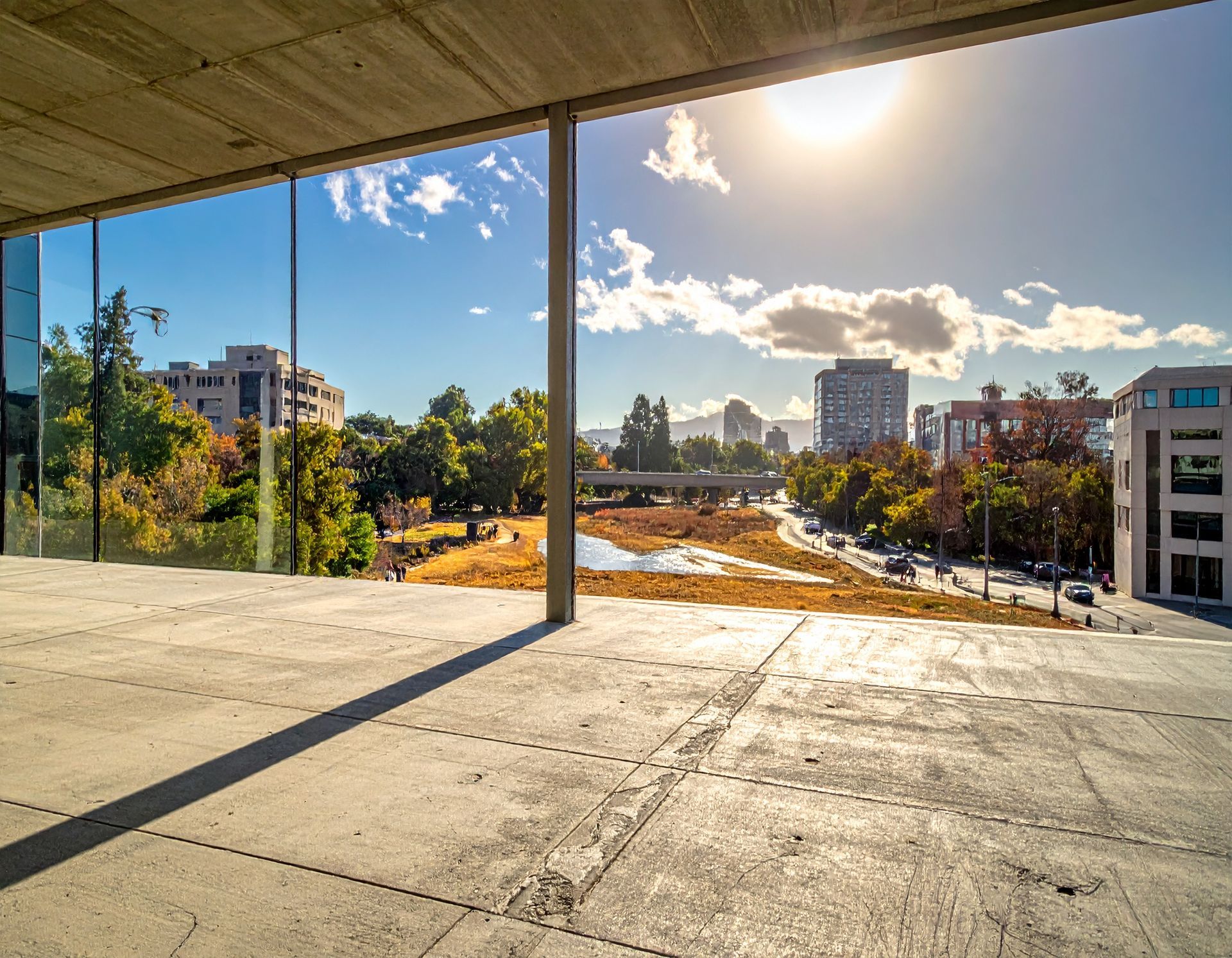
A major difference in polyurea vs epoxy is how they handle UV exposure. Epoxy floor coatings are prone to yellowing and fading, while polyurea polyaspartic systems are UV resistant and retain their color even after years in direct sunlight. This makes them ideal for pool decks, patios, and outdoor concrete garage floors.
3. Faster cure = less downtime
Polyurea flooring has a
rapid curing time, often ready for light
vehicle traffic within 24 hours. Traditional
epoxy installation can take several days to fully harden, making it more vulnerable to
temperature fluctuations during the
curing process. Faster curing also means a quicker
installation process, less disruption, and better adhesion for the
final product.
How Polyurea Performs in Cold Conditions
1. Flexibility in freezing temperatures
When temperatures drop, epoxy flooring becomes brittle and may crack under stress. Polyurea flooring remains flexible, bending with the concrete surface even in freezing or cold temperatures.
2. Works on cold or damp surfaces
Epoxy flooring requires dry, warm conditions to cure properly. Polyurea can adhere to slightly damp or cold concrete, which makes it the best choice for unheated garages, basements, and refrigerated commercial spaces.
3. Handles Freeze-thaw cycles
Polyurea’s elasticity helps it survive multiple freeze-thaw cycles, preventing cracks and peeling over time. This makes it a long-term, low-maintenance solution for outdoor and industrial settings.
Side-by-side performance comparison
| Epoxy | Polyurea | |
|---|---|---|
| Elongation | 2–5% | 200–400% |
| Service Temperature Range | –10°C to 60°C | –40°C to 120°C |
| UV Stability | Prone to yellowing | Excellent |
| Cure Time | 24–72 hours | 1–4 hours (fast cure time) |
| Adhesion to Cold Substrates | Poor | Excellent |
| Resistance to Cracking | Low | High |
| Moisture Tolerance | Low | High |
| Lifespan | 5–10 years | 15–20 years |
When to choose epoxy?
While polyurea systems outperform epoxy in most environments, epoxy floor coatings still have their place:
- Indoor, climate-controlled environments
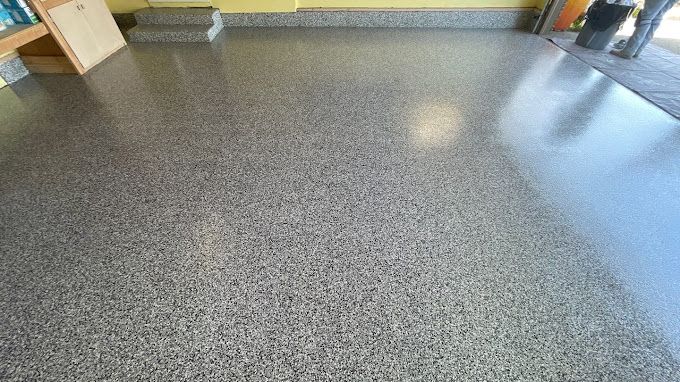
- Decorative flooring applications like metallic or chip finishes
- Budget-conscious projects where temperature changes are minimal
For smaller indoor retail spaces or offices, epoxy can still be a popular choice that offers decent protection and aesthetic appeal.
The bottomline on polyurea
If your space faces heavy use, chemical spills, or harsh UV rays, polyurea garage floor coatings and polyaspartic top coats are the clear winner. They provide:
- Superior performance under both hot and cold conditions
- Excellent resistance to chemicals, abrasion, and UV damage
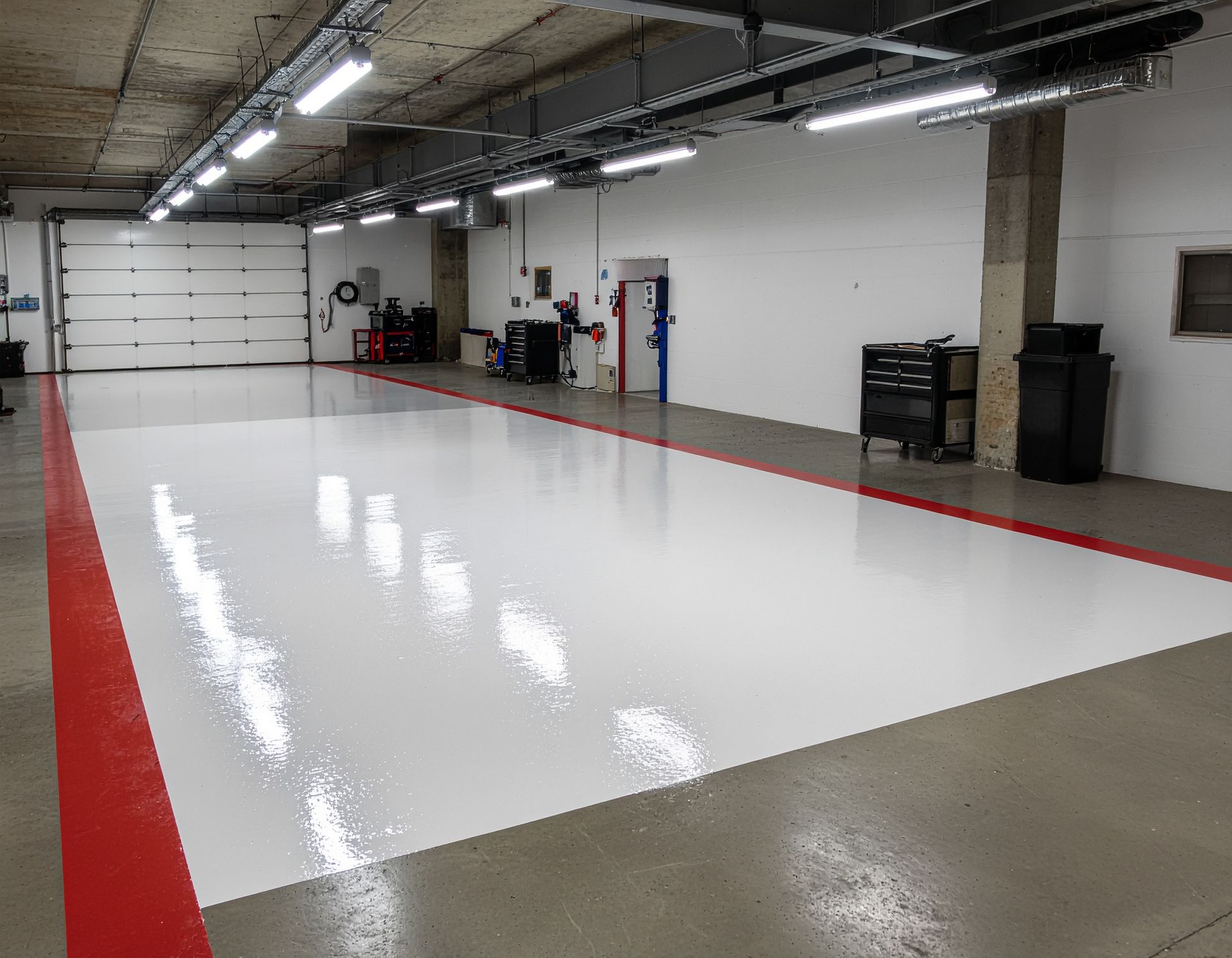
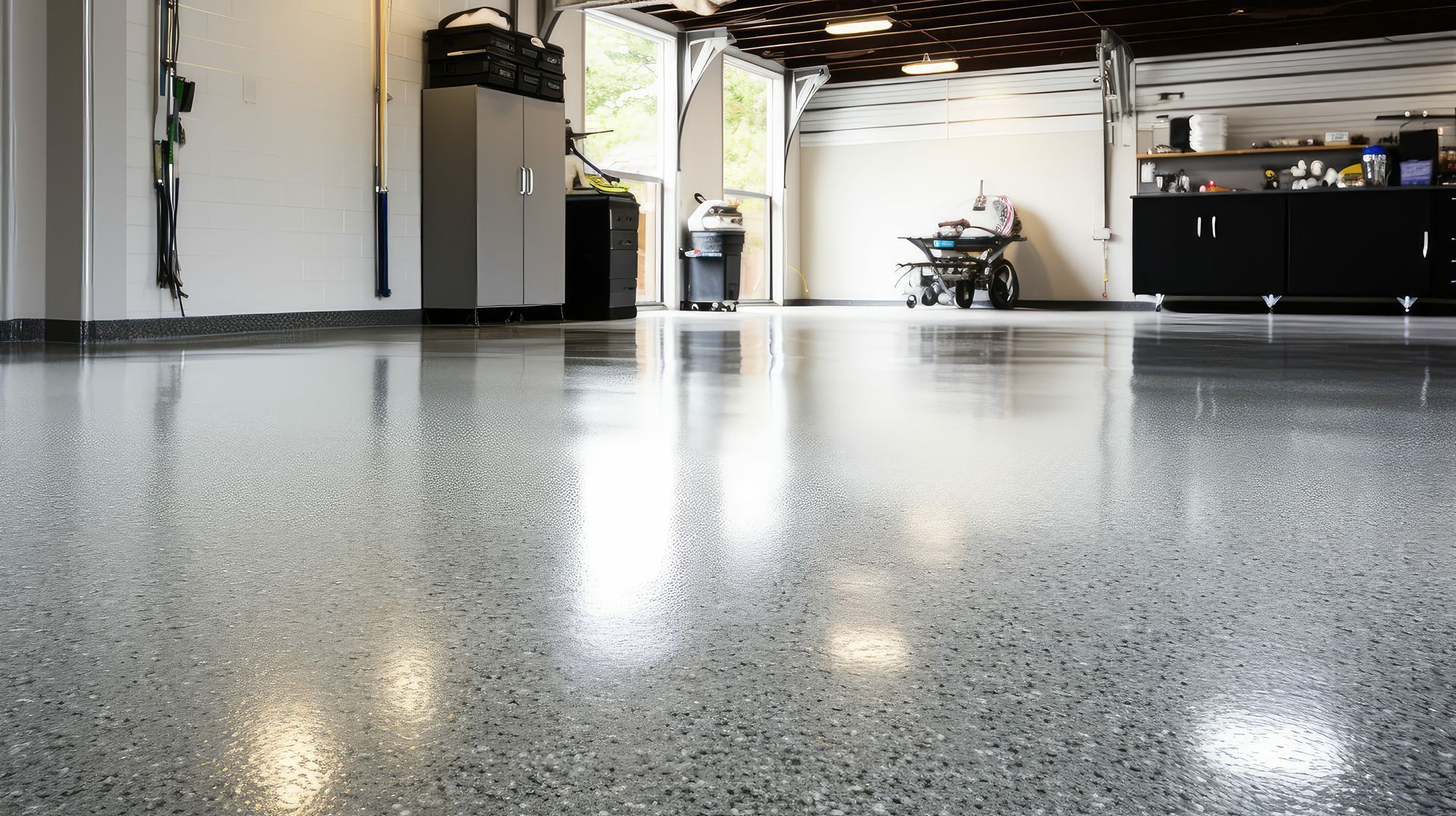
- High-gloss, durable coating that stays looking new
- Fast curing process and minimal downtime
- Long service life with lower maintenance costs
- A wide range of customization options and various colors to match your space
Whether for garage flooring, pool decks, or commercial spaces, polyurea polyaspartic coatings are the best solution for long-term protection and style.
BUT, professional installation matters
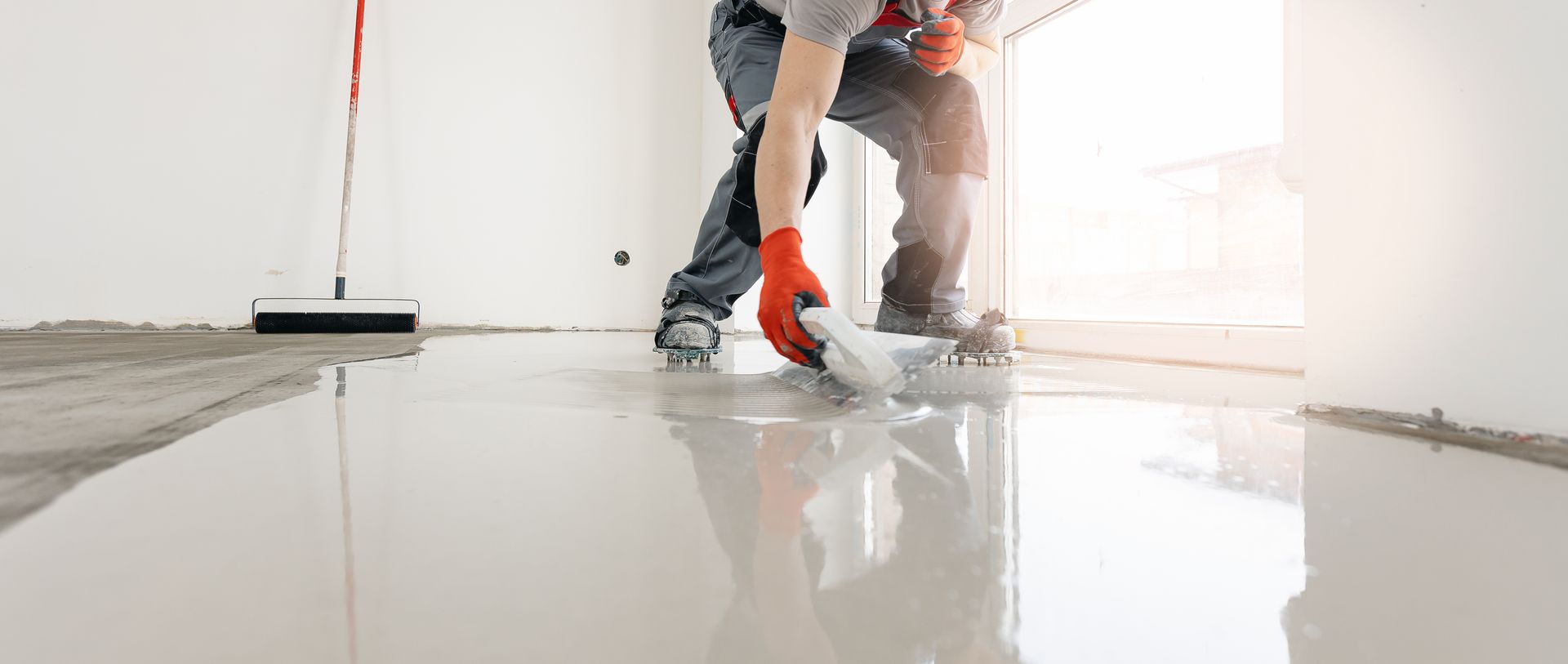
Even the best protective coatings won’t last without the right surface preparation. Our team uses industrial-grade tools and vacuums to remove imperfections before applying the curing agent and top coat. This ensures the final product is smooth, consistent, and ready for high-traffic areas.
Every installation process is handled by trained experts who deliver best results on every project.
Bring Your Concrete Back to Life
If you’re coating a space that doesn’t face heavy use or exposure to the elements, a high-quality epoxy floor coating can still be a cost-effective and attractive option.
If your concrete floor has seen better days, it’s time to upgrade to something built for the long run. Our polyurea garage floor coatings and commercial flooring applications are designed to handle Sacramento’s heat, cold, and heavy use. No cracking, peeling, or fading.
At Top Coat Concrete Coatings, we specialize in polyurea floor coatings that combine durability, slip resistance, and aesthetic appeal. Whether it’s your garage, driveway, patio, or warehouse, we’ll help you get a protective coating that lasts for years.