What Is the Best Garage Floor Coating?
The truth is, the
best
garage floor coating depends on how it performs in real conditions: heat, moisture, vehicle traffic, chemicals, and time. This guide breaks down the most common garage floor coating options, explains how they actually perform, and helps you
understand which solution delivers the longest-lasting value for your garage.
What makes a good garage floor coating?
A garage floor is not like an interior floor. It deals with conditions most rooms never see, including:
- Hot tires pressing down on soft coatings, also known as hot tire pickup
- Oil, brake fluid, road salt, and other chemicals
- Moisture rising through the concrete surface from below
- Ongoing temperature changes that cause expansion and contraction
- Heavy point loads from cars, storage racks, and equipment, leading to ongoing wear and tear
Because of this, a high-quality garage floor coating should:
- Bond permanently to concrete garage floors, not just sit on top
- Resist oil stains, chemical spills, and oil spills
- Handle moisture vapor and humidity levels
- Remain durable under vehicle traffic and foot traffic
- Maintain performance and aesthetic appeal over a long time
The right
garage floor coating is the one that matches your
specific needs.
Common Garage Floor Coating Options (and How They Compare)
1. Concrete Paint and Acrylic Sealers
Often marketed as garage floor paint, these include concrete sealers and basic epoxy paint products commonly found at places like Home Depot.
Where they make sense
- Light-use garages
- Short-term cosmetic improvement
- Tight budgets
- Storage-only or utility spaces
Limitations
- Limited durability
- Little resistance to hot tires
- Wear through relatively quickly
However, these coatings are largely cosmetic. They sit on the surface rather than bonding deeply, making them unsuitable for long-term garage use. Many homeowners find they need to reapply within a year, especially on larger
floor areas.
2. DIY Epoxy Kits
This is a popular DIY project choice for homeowners attempting an epoxy floor.
Strengths
- Thicker than paint
- Better stain resistance
- Improved appearance compared to bare concrete floors
Trade-offs
- Sensitive to moisture in concrete
- Dependent on very careful surface preparation
- Longer cure times
- Limited flexibility once cured
Most kits are a
part epoxy system, often
Water Based Epoxy, which can struggle in garages with moisture or frequent temperature shifts. Results vary, and performance depends heavily on the
application process.
3. Traditional Epoxy Floor Coatings (Professionally Installed)
Professional epoxy flooring systems use Epoxy Resin with a stronger epoxy primer, applied through a controlled installation process.
Advantages
- Better adhesion than DIY kits
- More consistent floor installations
- Strong chemical resistance
- Thicker base coat and optional second coat
- Available in solid color, different colors, and Paint Colors
Considerations
- Longer cure times
- Less flexible than newer systems
- Can yellow under UV rays and prolonged UV exposure
- May require a clear coat for protection
When installed properly, a
high solids epoxy or
high-quality epoxy system can be a good middle-ground
flooring solution for moderate use.
4. Polyurea Coatings and Polyaspartic Coatings (Professional Systems)
Polyurea and polyaspartic coatings represent the most advanced garage floor coating technology currently available. These systems are designed to bond deeply into concrete, cure quickly, and remain flexible under temperature changes.
Pros
- Exceptional adhesion to concrete
- High resistance to chemicals, impacts, and abrasion
- Flexible enough to handle concrete movement
- Fast curing for quicker return to service
- Often UV stable
- Designed for heavy use and long-term durability
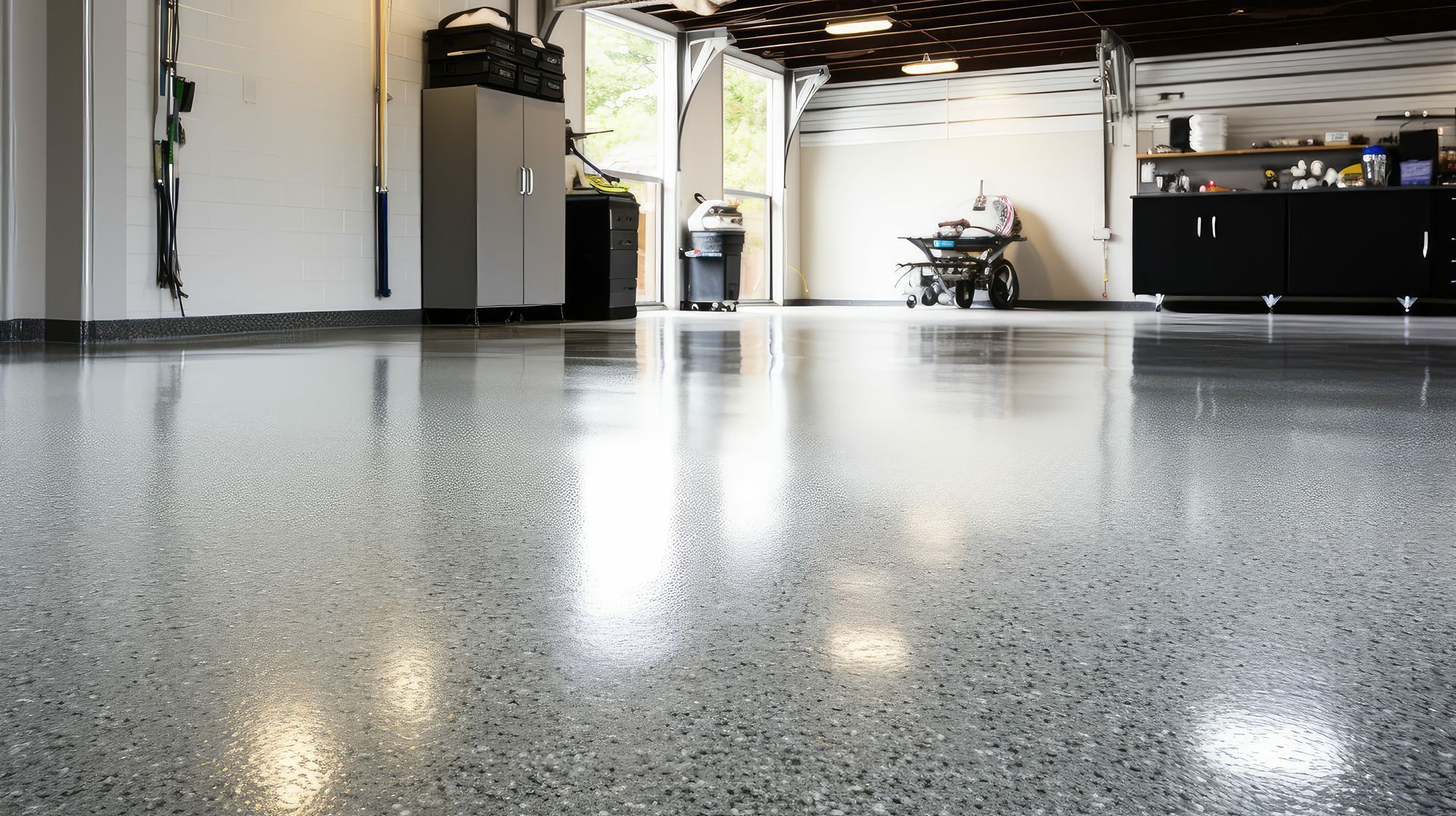
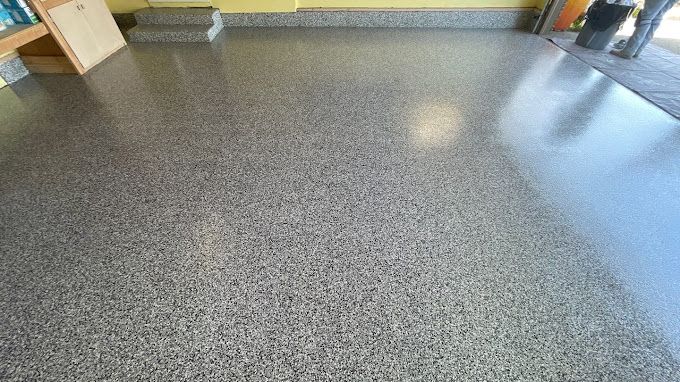
- Available with decorative color flakes and a glossy finish
Cons
- Higher upfront cost
- Requires professional installation
- Must follow a precise coating application and epoxy application process
A
polyurea garage floor coating or
polyaspartic floor coating is often chosen for garages that see daily use or function as a
Home Gym, workshop, or extended
living space.
The Bottom Line
In general:
- For light use or short-term improvement, paint or sealers may be sufficient.
- For moderate use and balanced cost, professionally installed epoxy can be a practical option.
- For heavy use and long-term durability, polyurea or polyaspartic systems tend to perform best over time.
They outperform paint and epoxy in every critical category: adhesion, flexibility, moisture tolerance, cure time, and long-term durability.
If you’re still weighing your options and want guidance that’s specific to your home improvement goals,
Top Coat Concrete Coatings can help you make that decision with clarity, not pressure.
We work with professional-grade coating systems, including Penntek®, and focus just as much on proper surface preparation and installation as the product itself. A consultation can help you understand:
- Whether a professional coating makes sense for how you use your garage
- Which type of system would perform best for your space
- What to realistically expect in terms of lifespan, maintenance, and cost